
The Hidden Wonders of Kehipiththan: Nature’s Healing Vine
In the world of traditional Sri Lankan medicine, few plants are as versatile and respected as Kehipiththan ( Cyclea peltata ). Known for its incredible cooling properties and its ability to transform into a natural "jelly," this indigenous vine is a powerhouse of Ayurvedic healing .
Whether you know it as Pathala Garudi (referring to its deep-reaching roots) or Soma Valli (due to its water-rich nature), Kehipiththan is a plant every household should recognize .
Identifying the Plant
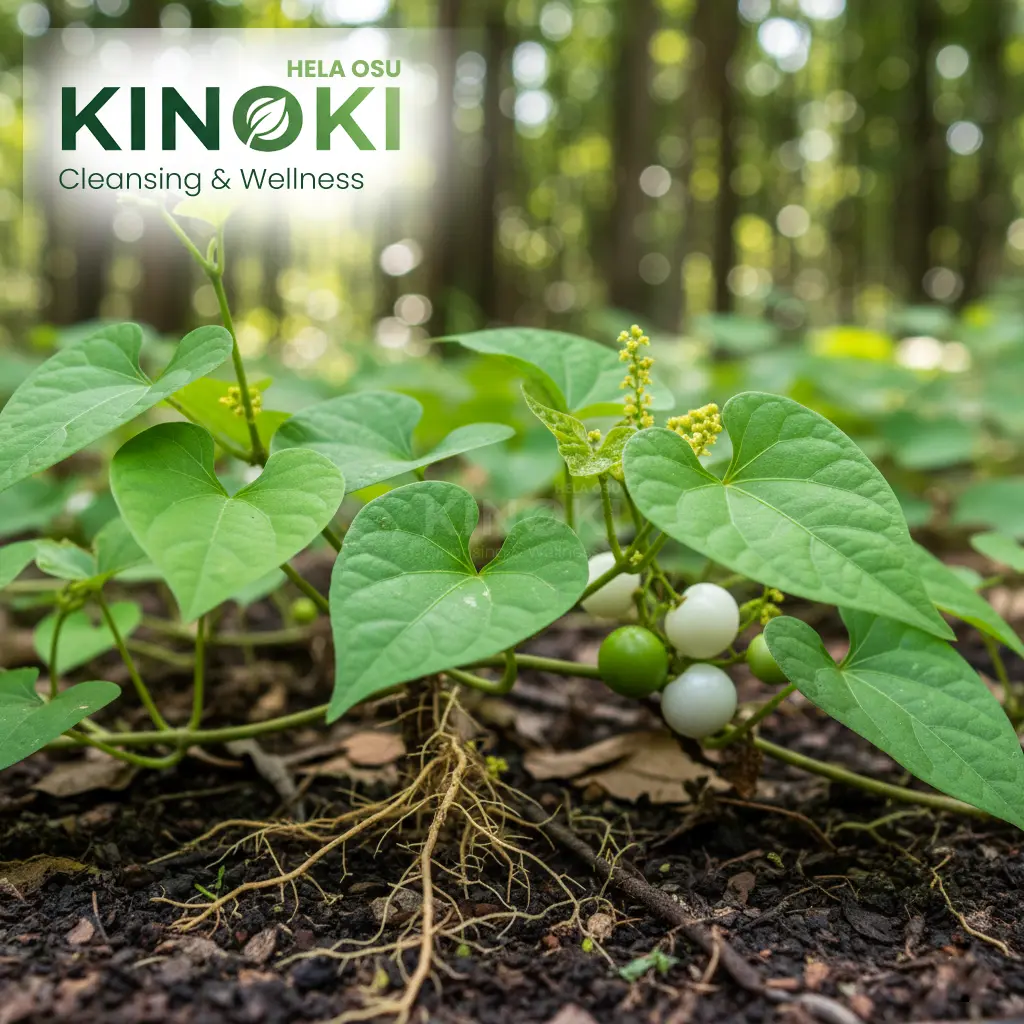
Kehipiththan belongs to the Menispermaceae botanical family . It is a local vine that typically grows parallel to the ground but can also appear as small plants or bushes . You can identify it by:
Leaves: Slightly triangular leaves growing up to 16 cm in length, with a shiny upper surface and a fine, downy underside .
Flowers & Fruit: Small clusters of yellow flowers and green berries that turn white when ripe .
Roots: Long, deep-reaching roots that are highly valued in medicinal preparations .
The Miracle "Jelly" and Its Benefits
One of the most unique features of Kehipiththan is the thick, jelly-like solution created by crushing its leaves in a little water . When mixed with coconut milk and a sweetener like honey or jaggery, it becomes a delicious medicinal dessert .
This jelly is a proven remedy for:
Gastritis: Consuming this jelly on an empty stomach in the morning is highly effective for acidity and stomach pain .
Respiratory Relief: Despite its cooling nature, it helps soothe coughs, colds, asthma, and sinusitis without increasing phlegm .
Mothers & Infants: It is excellent for breastfeeding mothers as it promotes milk production and helps treat worm diseases in children .
Fertility: It is traditionally used to support both men and women struggling with infertility .
Diverse Medicinal Uses
Beyond the jelly, various parts of the plant - from the roots to the juice - are used to treat a wide array of ailments:
| Ailment | Treatment Method |
|---|---|
| Burns & Chickenpox | Apply crushed leaf jelly or leaves ground with cow's milk to soothe burning and prevent blisters . |
| Urinary Issues | A decoction (kasaya) of the roots helps with urinary tract infections, stones, and burning sensations . |
| Fever with Chills | Drink a root decoction mixed with a pinch of black pepper . |
| Skin Diseases | Drink Kehipiththan porridge (kenda) to purify the blood and treat rashes or jaundice . |
| Wounds | Apply crushed leaves and roots to stubborn, pus-filled wounds to speed up healing . |
| Insect Stings | Grind Kehipiththan leaves with Kuppameniya and Babila leaves in lime juice for relief . |
A Natural Blood Purifier
Kehipiththan is highly regarded in Ayurveda for its ability to balance Vata and Kapha while soothing Pitta . It acts as a natural blood purifier, a diuretic, and a cooling agent for the entire body . From treating tooth decay (by rinsing with root-infused water) to easing menstrual pain, this plant truly earns its place in ancient texts like the Raja Nighantuwa .
The next time you spot this triangular-leaved vine in your garden, remember that you are looking at one of nature's most effective pharmacies.

Leave a comment
Your email address will not be published. Required fields are marked *

