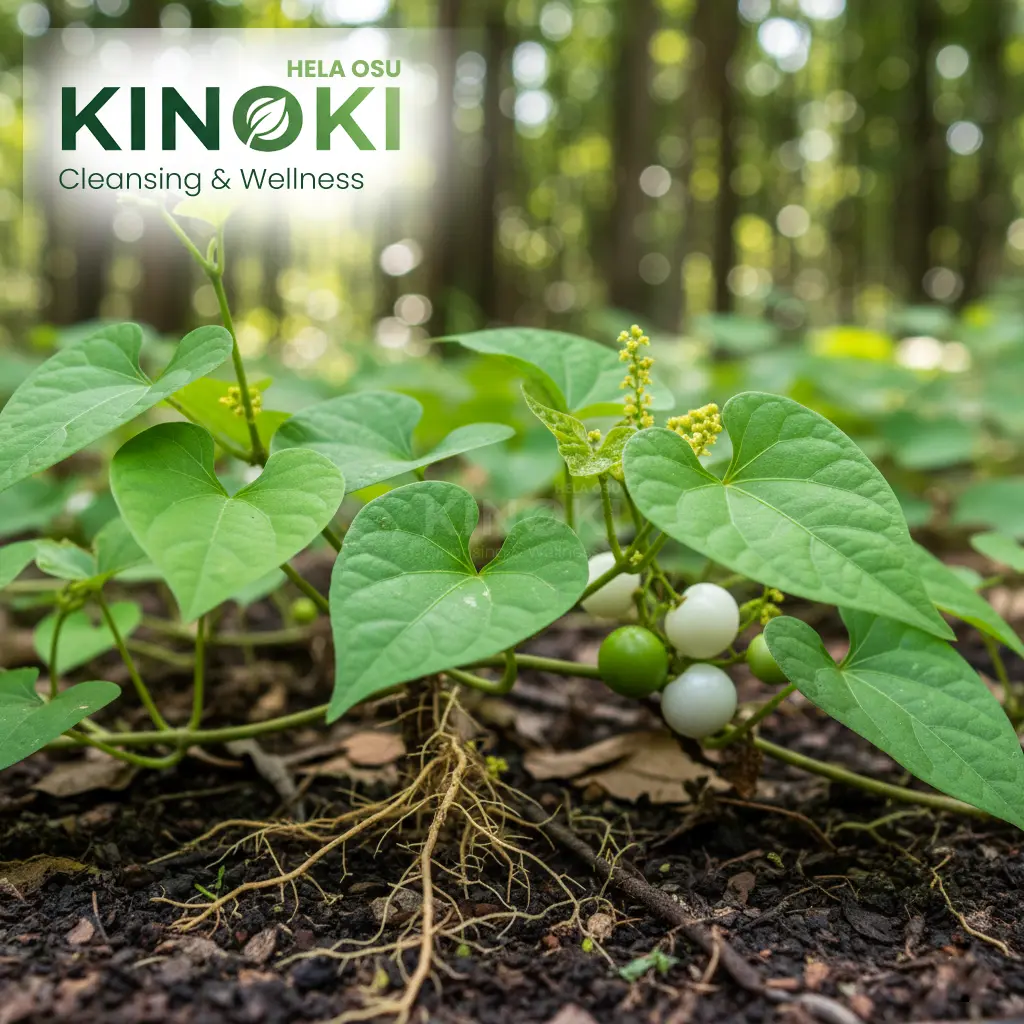
The Miraculous Pranajeeva (Dancing Tree): Nature’s Powerful Healer
The Pranajeeva plant, scientifically known as Codariocalyx motorius , is a unique medicinal herb steeped in history and biological wonder . Its name literally translates to "giving life to the breath," stemming from the ancient belief that a single drop of its sap could revive a person on the verge of death .
Known as the Dancing Tree or Telegraph Plant , it is famous for its extraordinary ability to move its leaves in response to sound and light .
Botanical Profile & Characteristics
The Pranajeeva is a beautiful perennial plant that grows to a height of about 4-5 feet .
- Leaves: The foliage consists of large, elliptical leaves (3-5 inches long) that are dark green on top and a greyish-green underneath .
- Unique Anatomy: At the base of each large leaf, there are two smaller leaflets designed specifically for movement .
- Flowers & Fruit: Upon maturity, it produces vibrant purple flowers . Some varieties are also said to bear blue or yellow flowers . These are followed by thin, elongated pods containing seeds used for propagation .
- Sensitivity: The plant is highly sensitive to its environment. It appears "lifeless" after sunset but "wakes up" and regains vitality when the sun rises . Its movement is so distinct that Charles Darwin featured it prominently in his book, The Power of Movement in Plants .
Medicinal Benefits and Uses
In traditional medicine, the entire plant ( Panchanga )—including roots, stems, leaves, flowers, and seeds—is used for healing . It possesses powerful antioxidant, anti-cancer, and detoxifying properties .
1. Internal Health & Chronic Diseases
- Diabetes: Boiling 50g of roots in 500ml of water and consuming 40ml daily can help manage diabetes .
- Digestive Health: It is used to treat diarrhea, dysentery, and hemorrhoids . Drinking the pure juice of the leaves on an empty stomach is specifically recommended for curing gastritis .
- Organ Support: The plant supports liver and kidney health, helping to restore livers damaged by excessive alcohol consumption .
- Respiratory & Blood: It helps treat coughs, asthma, and malaria while increasing red blood cell counts and purifying the blood .
2. Physical & Neurological Recovery
- Bone & Muscle Healing: Traditionally used in "Hela Vedakama" (traditional Sri Lankan medicine) to help set fractured bones and strengthen muscles and cartilage .
- Nervous System: It acts as a nerve stimulant and can improve memory and mental balance .
- Snake Bites: The root juice is administered to neutralize venom in snakebite victims .
3. Wellness & Vitality
- Immunity & Anti-Aging: It boosts the immune system and prevents premature greying of hair .
- Fertility: It is believed to correct irregularities that cause infertility, and frequent consumption is recommended for those hoping to conceive .
- Weight Management: By activating the excretory system, it helps remove toxins and prevents the accumulation of unnecessary fat .
Myths vs. Facts
While the Pranajeeva is undeniably powerful, it is important to distinguish between medicinal facts and "marketing myths":
- The "Oxygen" Myth: Some claim the plant releases 75% more oxygen at night, but this is often considered an exaggeration used for selling plants .
- The "Energy" Myth: Claims that the plant uniquely absorbs "black rays" and emits "white rays" are generally viewed as business marketing rather than scientific fact .
- The Oil Confusion: Despite the name, this specific plant is not used to produce the famous "Pranajeeva Oil" .
Growing Your Own
Though it thrives in the wet zone, Pranajeeva can be grown in all climatic zones across Sri Lanka . Given its vast medicinal value and beauty, it is a highly recommended addition to any home garden .
Important Note: Always consult a qualified medical professional or traditional practitioner before using herbal treatments

Leave a comment
Your email address will not be published. Required fields are marked *