
The Versatile Nil Awariya: Nature’s Source of Indigo and Healing
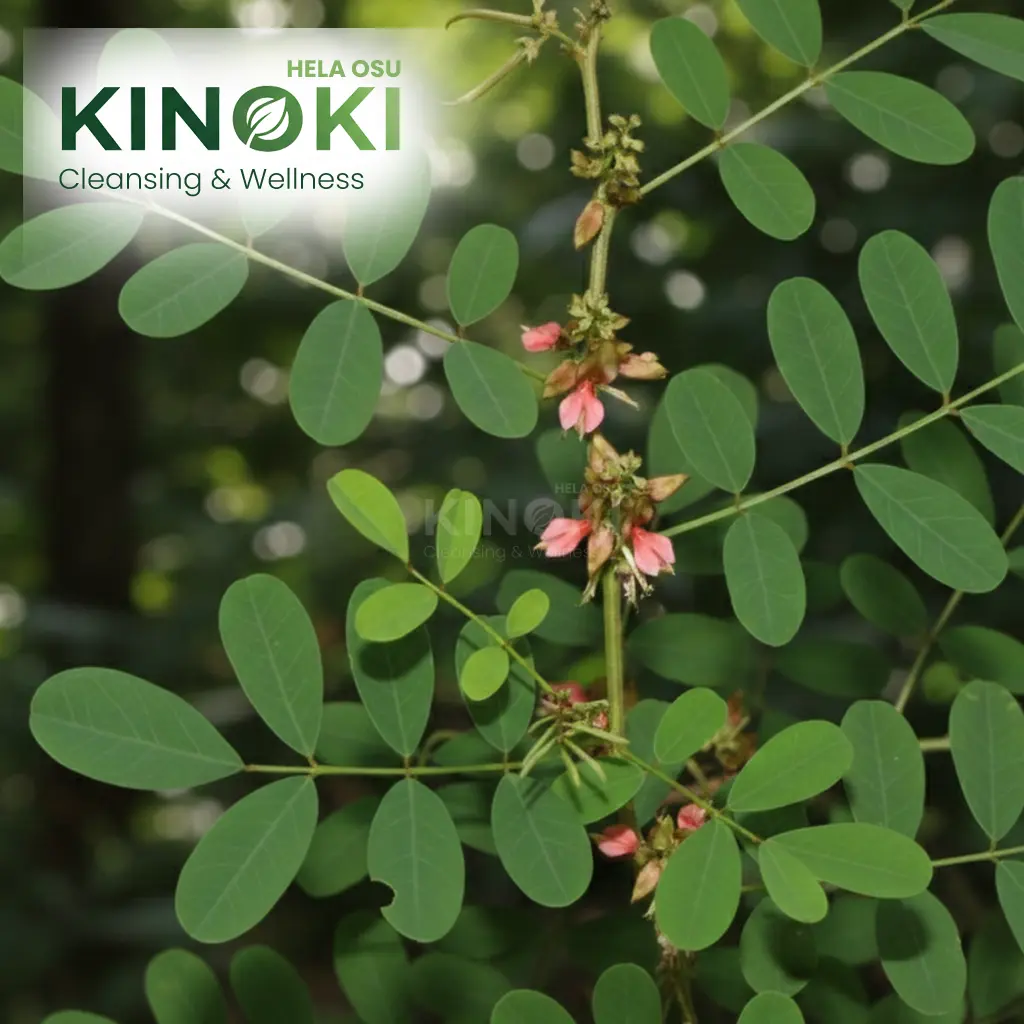
The Nil Awariya plant ( Indigofera tinctoria ), widely known as True Indigo , is a remarkable small shrub native to Sri Lanka that has been prized for centuries . Growing up to 2 meters high, it is commonly found in the island's wet and intermediate zones, often appearing as a roadside wildflower or a cultivated medicinal shrub .
Distinctive Features
This plant belongs to the Fabaceae family and is easily identified by its unique physical characteristics:
- Leaves: It features compound leaves with 7–13 leaflets . The upper surface is a bright, vibrant green, while the underside is covered in fine, silvery hairs .
- Flowers: The plant produces beautiful pink or reddish flowers that grow in clusters along the stem .
- Fruit: Its fruit consists of cylindrical pods, which can be straight or slightly curved . Each pod typically contains 8–12 seeds .
A Natural Wonder: The Blue Dye
Historically, Nil Awariya is most famous for the natural blue pigment extracted from its leaves . Before the invention of synthetic dyes, this plant was the primary source of Indigo dye used globally to color textiles and monk's robes . Even placing a single branch in water can begin to tint the liquid with a blue hue .
Healing Power: Medicinal Uses
In traditional medicine, Nil Awariya is considered a powerhouse of healing, with nearly every part of the plant—roots, leaves, flowers, and seeds—serving a purpose .
- Skin and Hair Care: It is widely used to promote hair growth and prevent premature graying . The famous Neelyadi oil is prepared using this plant to treat scalp conditions and skin diseases like eczema .
- Detoxification: The plant is known for its antitoxic properties and is used as a remedy for snake bites and stings from rabid animals .
- Internal Health: It is used to treat respiratory issues like asthma and tuberculosis, as well as urinary tract problems and kidney stones .
- General Ailments: From soothing toothaches by chewing the roots to treating mumps and fever, Nil Awariya remains a staple "home remedy" in rural communities .
Conservation and Value
While there are over 700 species in the Indigofera genus, only a few, like I. tinctoria and I. suffruticosa , possess the high concentrations of indigo required for dyeing . In Sri Lanka, this plant is currently listed with a "Least Concerned" conservation status, yet it remains a vital part of the island's botanical heritage .
By protecting these plants, we preserve not just a source of natural color, but a deep well of traditional knowledge that continues to offer sustainable solutions for modern health and industry .

Leave a comment
Your email address will not be published. Required fields are marked *

